
How to Remove Stains from Sofa (All Fabrics) | Easy DIY Guide
Learn how to remove stains from a sofa using safe, fabric-specific methods. Step-by-step tips for wine, ink, grease, pet stains, and more.
SOFA CARE AND MAINTENANCE
Western Ranch Interiors
7/27/20266 min read
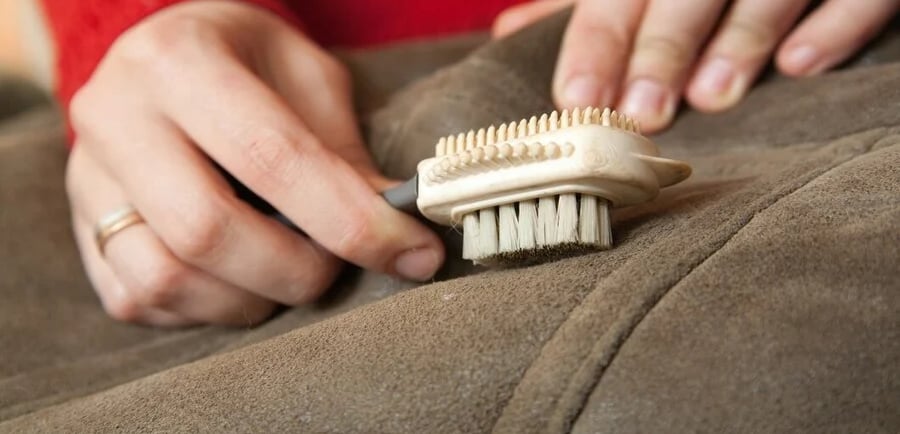
A spilled glass of red wine, a toddler's marker masterpiece, or your dog's muddy paw prints sofa stains happen to everyone, usually at the worst possible moment. The good news is that most stains, even the stubborn ones, can be treated at home without replacing your upholstery or calling in expensive professionals every single time.
This guide walks you through exactly how to remove stains from a sofa, no matter what caused the mess or what kind of fabric you're dealing with. You'll learn the right cleaning codes to check first, the tools you actually need, and step-by-step methods for the most common stain types homeowners deal with.
Why Sofa Stains Are Trickier Than They Look
Unlike clothing, you can't just toss your sofa into a washing machine. Upholstery fabric sits on padding, foam, and sometimes wood framing, which means too much water or the wrong cleaning product can cause more damage than the stain itself.
Sofas also tend to collect a mix of everyday grime body oils, dust, pet hair, food residue so what looks like a single stain is sometimes several layers of buildup. That's why a targeted, fabric-appropriate approach works far better than grabbing whatever cleaner is under the sink.
Step 1: Check the Cleaning Code on Your Sofa's Tag
Before touching any stain, find the manufacturer's cleaning code tag, usually located under a cushion or on the frame near the base. This single letter tells you which products are safe to use.
W – Water-based cleaners are safe to use
S – Solvent-based (dry-clean only) cleaners are required; avoid water
WS – Either water-based or solvent-based cleaners can be used
X – Vacuum only; no liquid cleaners of any kind; professional cleaning recommended
Skipping this step is one of the most common reasons a stain removal attempt backfires, leaving behind a water ring or a discolored patch that's harder to fix than the original stain.
Step 2: Act Fast and Blot, Don't Rub
Fresh stains are dramatically easier to remove than dried ones, so speed matters. As soon as a spill happens, grab a clean white cloth or paper towel and blot from the outside of the stain toward the center.
Rubbing pushes the stain deeper into the fibers and can fray or pill the fabric. Blotting instead lifts the liquid up and out, which is the whole goal of the first few minutes after a spill.
Step 3: Test Any Cleaning Solution First
Even with the right cleaning code, fabrics react differently to cleaning agents depending on dye, weave, and age. Always test in an inconspicuous spot, like the back of a cushion or the underside of an arm.
Apply a small amount of the solution to a hidden area
Wait 10 minutes and blot dry
Check for color change, texture change, or residue
Only proceed on the visible stain if the test spot looks unaffected
General Supplies Worth Keeping on Hand
A basic stain-removal kit saves a lot of stress when accidents happen. Most households already have these items, so there's rarely a need for a special shopping trip.
Clean white microfiber cloths or paper towels
A soft-bristled brush for lifting dried residue
Dish soap (mild, clear, without added dyes)
White vinegar
Baking soda
Rubbing alcohol (for solvent-safe fabrics)
A handheld vacuum with an upholstery attachment
Cold water and a spray bottle
How to Remove Common Stains from a Sofa
Different stains respond to different treatments, so trying to use one universal method rarely works well. Below are the methods that tend to perform best for the stains people deal with most often.
Red Wine Stains
Red wine is notorious because the tannins set quickly and the pigment is strong.
Blot up as much liquid as possible immediately
Sprinkle a thin layer of salt or baking soda over the stain to absorb residual moisture
Mix one part dish soap with two parts hydrogen peroxide (for W-coded fabrics only)
Dab the solution onto the stain with a cloth, working from the edges inward
Rinse by blotting with a cloth dampened in cold water, then air dry
Coffee and Tea Stains
These stains oxidize and darken the longer they sit, so early treatment matters.
Blot the area to remove excess liquid
Mix one tablespoon of dish soap with two cups of warm water
Apply the solution with a cloth using gentle circular motions
Rinse by blotting with a clean, damp cloth
Repeat if any shadow remains, then let the cushion air dry fully
Grease and Oil Stains
Grease spreads if treated with water alone, so absorption comes first.
Cover the stain generously with baking soda or cornstarch
Let it sit for 15 to 20 minutes to absorb the oil
Vacuum or brush away the powder
Apply a small amount of dish soap directly to the remaining mark
Blot gently with a damp cloth until the grease lifts
Ink Stains
Ink is one of the trickiest stains because it can smear if handled incorrectly.
Test rubbing alcohol on a hidden area first
Dab (don't rub) a cotton swab dipped in rubbing alcohol directly onto the ink
Use a fresh section of cloth as the ink transfers, to avoid spreading it
Continue until the ink lifts, then blot with a damp cloth to remove alcohol residue
Blood Stains
Cold water is essential here, since heat can set blood stains permanently.
Blot with cold water immediately; never use warm or hot water
Mix a small amount of dish soap with cold water into a light foam
Apply the foam with a cloth and blot gently
Rinse by blotting with a cloth dampened in plain cold water
Repeat as needed until the stain fades
Pet Stains and Odors
Pet accidents involve both a visible stain and lingering odor, so both need attention.
Blot up as much liquid as possible with paper towels
Apply an enzyme-based pet stain cleaner formulated for upholstery
Let it sit for the time listed on the product label to break down odor-causing compounds
Blot dry, then sprinkle baking soda over the area once fully dry
Vacuum the baking soda after a few hours to lift remaining odor
Chocolate and Food Stains
Food stains often combine grease, sugar, and color, so a two-step approach works better than a single product.
Scrape off any solid residue gently with a spoon or dull knife
Apply a mix of dish soap and cool water with a cloth
Blot repeatedly, rotating to a clean section of cloth as it picks up residue
Finish with a cold water rinse by blotting
Makeup and Lipstick Stains
Makeup stains are usually oil-based, so they respond well to the same principles as grease.
Apply rubbing alcohol to a cotton pad (only on solvent-safe or WS-coded fabrics)
Blot gently rather than wiping across the fabric
Follow with a mild dish soap and water solution to remove any leftover residue
Blot dry with a clean towel
Removing Old or Set-In Stains
Stains that have already dried are harder but not impossible to treat. The key is rehydrating the stain before attempting to lift it.
Dampen the area lightly with water or the appropriate cleaning solution
Let it sit for a few minutes to loosen the dried residue
Gently work the solution in with a soft brush
Blot thoroughly rather than scrubbing, which can damage fibers
Repeat over multiple short sessions rather than over-saturating the fabric in one attempt
Deep Cleaning: When Spot Treatment Isn't Enough
If your sofa has years of buildup or multiple overlapping stains, spot treatment alone may not fully restore it. A full upholstery cleaning, either with a rented machine or a professional service, can reach embedded dirt that surface treatments miss.
Steam cleaning works well for W-coded fabrics, while solvent-based professional cleaning is safer for S-coded materials like silk blends or certain velvets. If you're ever unsure which route to take, it's worth calling a professional rather than risking a fabric that can't be undone.
Mistakes to Avoid When Cleaning a Sofa
A few common missteps cause more damage than the original stain ever would.
Using hot water on protein-based stains like blood, which can set them permanently
Scrubbing aggressively instead of blotting, which frays and thins the fabric
Skipping the spot test, leading to bleaching or discoloration
Over-saturating the fabric, which can seep into cushion foam and cause mold or odor
Mixing cleaning chemicals (like bleach and ammonia) that can create harmful fumes
Ignoring the manufacturer's cleaning code entirely
How to Prevent Future Stains
Prevention is far less work than cleanup, and a few small habits go a long way toward keeping a sofa looking newer for longer.
Apply a fabric protector spray after any deep cleaning session
Keep a designated cloth or wipes nearby for quick spill response
Use washable throws or slipcovers in high-traffic seating areas
Establish a no-food or no-drink rule for specific cushions if spills are frequent
Vacuum upholstery weekly to prevent dust and oils from settling into fibers
Final Thoughts
Knowing how to remove stains from a sofa comes down to three consistent principles: check the fabric code first, act quickly, and always blot instead of scrub. Most spills, even wine, ink, or pet accidents, can be managed with basic household supplies if you treat them with the right method and a little patience.
For anything beyond a manageable spot treatment, don't hesitate to bring in a professional upholstery cleaner. A sofa is one of the most-used pieces of furniture in any home, and a little regular care keeps it looking good for years longer than neglect ever would.
Frequently Asked Questions:
Can I use a carpet cleaner on my sofa?
Only if your sofa's cleaning code allows water-based products (W or WS). Carpet cleaners are formulated for tougher, low-pile surfaces and can be too harsh or too wet for delicate upholstery fabrics.
What's the fastest way to remove a fresh stain?
Blot immediately with a clean cloth to absorb as much liquid as possible before it soaks into the padding, then follow up with the appropriate cleaning method for that stain type.
Is vinegar safe for all sofa fabrics?
Vinegar is generally safe for W-coded fabrics when diluted with water, but it should always be spot-tested first and avoided on S-coded or delicate materials like silk.
How often should a fabric sofa be professionally cleaned?
Most households benefit from a professional deep clean once every 12 to 18 months, though homes with pets, children, or frequent guests may need it more often.
Western Ranch Interiors
Heirloom furnishings built for architectural ranch living.
Home-Shop-Reviews-Contact
Trade & Support
concierge@westernranchinteriors.com
Trade Program & Custom Commissions
Bozeman, Montana
© 2026 Western Ranch Interiors-Sourced directly from master blacksmiths, leatherworkers, and timber craftsmen across North America.
HAND-FORGED - HEIRLOOM QUALITY