
How to Stop a Cat Peeing on the Sofa (Proven Fixes)
Discover why cats pee on sofas and how to stop it fast. Learn vet-approved causes, litter box fixes, cleaning tips, and stress solutions that work.
SOFA CARE AND MAINTENANCE
Western Ranch Interiors
7/27/20266 min read
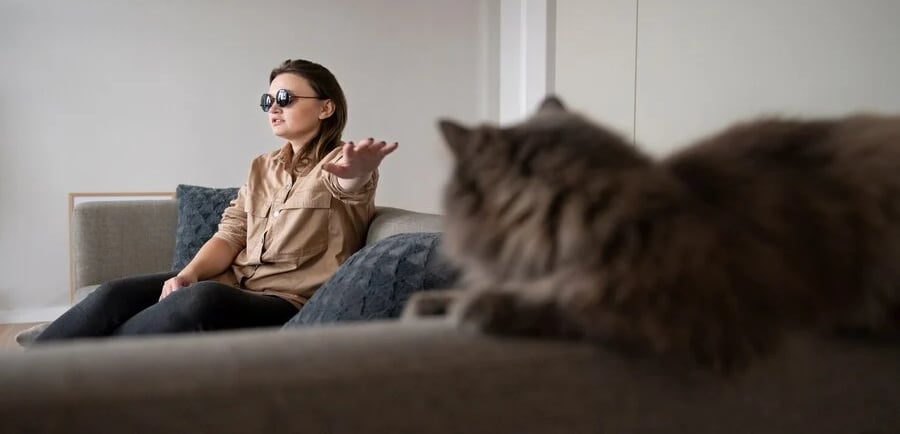

There are few things more frustrating than sinking into your favorite spot on the sofa, only to discover a suspicious damp patch that definitely wasn't there this morning. If your cat has started using your couch as a personal litter box, you're not alone and more importantly, you're not out of options.
Cats don't do this out of spite, no matter how much it might feel that way in the moment. Peeing outside the litter box is almost always a sign that something is wrong physically, emotionally, or environmentally. The good news is that once you understand what's actually driving the behavior, fixing it becomes a lot more straightforward.
This guide walks through why cats target sofas specifically, how to rule out medical issues, and the practical, step-by-step changes that get most cats back to using their litter box for good.
Why Cats Pee on Sofas in the First Place
Before jumping into solutions, it helps to understand the "why." Cats are creatures of habit and instinct, and inappropriate urination is a symptom, not a personality flaw.
Medical discomfort — urinary tract infections, bladder stones, or kidney issues can make litter box use painful, so cats start associating the box with pain and avoid it.
Litter box aversion — a dirty box, the wrong litter texture, or a box that's too small or covered can be enough to send a cat looking elsewhere.
Stress and anxiety — new pets, houseguests, moving furniture, or even a change in your work schedule can unsettle a cat enough to trigger marking behavior.
Territorial marking — unneutered cats and even some neutered ones will spray or mark soft, absorbent surfaces to claim territory, especially if there's tension with another animal in the home.
Location preference — the sofa is soft, absorbent, and often centrally located — all traits that appeal to a cat looking for a substitute litter surface.
Sofas are particularly attractive targets because they mimic the soft, absorbent texture of litter and are usually in a quiet, private-feeling corner of a busy room.
Step One: Rule Out a Medical Cause
This is the step that's easiest to skip and the most important one to get right. A vet visit should be your first move, not your last resort, especially if the behavior started suddenly.
Common medical culprits include:
Urinary tract infections (UTIs)
Bladder or kidney stones
Feline idiopathic cystitis (inflammation with no clear cause, often stress-linked)
Diabetes or kidney disease, which increase thirst and urination
Arthritis, which can make climbing into a high-sided litter box painful
If your cat is straining to urinate, crying out, going frequently in small amounts, or has blood in their urine, treat this as urgent and see a vet as soon as possible. Once medical causes are ruled out or treated, you can move on to behavioral and environmental fixes with much more confidence.
Step Two: Audit the Litter Box Setup
Litter box problems are one of the most common and most fixable reasons cats stop using them. Run through this checklist:
Number of boxes: the general rule is one box per cat, plus one extra, placed in different locations.
Cleanliness: scoop at least once a day; cats are far less tolerant of a dirty box than most owners assume.
Box size: The box should be about one and a half times the length of your cat; cramped boxes get avoided.
Litter type:
Unscented, fine-grained clumping litter is preferred by most cats over scented or coarse alternatives.
Box style: Some cats dislike covered boxes because they trap odor and feel confining; try an uncovered Boxesoption if you're using a hooded box.
Location: Boxes should be in quiet, low-traffic areas away from noisy appliances and never right next to food and water bowls.
Small changes here resolve a surprising number of sofa-peeing cases without any further intervention.
Step Three: Make the Sofa Unappealing (Temporarily)
While you work on the root cause, you need to stop the sofa from being a viable option in the short term.
Cover the sofa with a waterproof throw, plastic sheeting, or aluminum foil most cats dislike the texture and sound.
Use a pet-safe deterrent spray with citrus or motion-activated air bursts, which cats generally avoid.
Keep the sofa off-limits when unsupervised by closing the door to that room or using a baby gate.
Rearrange the room slightly if the cat has fixated on one specific cushion or corner, disrupting the pattern.
These are stopgap measures, not permanent fixes but they buy you time while the underlying issue gets addressed.
Step Four: Clean Soiled Areas Properly
If a cat can still smell their own urine on the sofa, they're far more likely to return to that exact spot. Standard cleaning products often aren't enough because they don't break down the uric acid in cat urine.
Blot up fresh urine immediately rather than rubbing, which pushes it deeper into fabric.
Use an enzymatic cleaner specifically designed for pet urine, not just soap or vinegar-based sprays.
Let the enzymatic cleaner sit and air-dry naturally rather than rushing to dry it with heat, which can set the odor.
Repeat treatment on older stains, since deep-set urine sometimes needs more than one application.
A black light can help you spot old, dried stains that aren't visible under normal lighting, which is useful if the sofa has been a repeat target.
Step Five: Reduce Stress and Restore Confidence
If medical and litter box issues are ruled out, stress is usually the remaining piece of the puzzle. Cats are sensitive to change, and marking behavior often spikes after disruptions.
Keep feeding, play, and cuddle times on a predictable schedule.
Introduce new pets, people, or furniture gradually rather than all at once.
Provide vertical space like cat trees or shelves, which help anxious cats feel more secure.
Use pheromone diffusers designed for cats, which can help ease tension in multi-cat households.
Spend a few extra minutes a day on interactive play to burn off nervous energy.
For cats in multi-pet households, watch for subtle tension blocking access to litter boxes, staring contests, or one cat avoiding shared spaces since these low-level conflicts often drive marking behavior even without obvious fighting.
Step Six: Reinforce the Litter Box as the Right Choice
Once the sofa is off-limits and stress is being managed, actively encourage litter box use.
Praise or offer a small treat when your cat uses the box, especially in the first few weeks of retraining.
Keep the box impeccably clean during this retraining period this is not the time to fall behind on scooping.
Avoid punishing accidents after the fact, since cats don't connect delayed punishment with the act, and it only adds stress.
Consider a temporary second box near the sofa area, gradually moving it back to its usual spot once habits are re-established.
When to Bring in a Professional
If you've worked through medical causes, litter box setup, and stress reduction and the behavior continues, a veterinary behaviorist can help. This is especially worth considering for:
Cats who spray vertically rather than squat, which often points to territorial marking rather than a litter box problem.
Households with ongoing multi-cat tension that hasn't resolved with environmental changes.
Cases where the behavior has become a long-standing habit tied to a specific piece of furniture.
A specialist can identify patterns that are easy to miss from inside the situation and recommend targeted interventions, including anti-anxiety medication in more persistent cases.
Final Thoughts
A cat peeing on the sofa is a problem with a cause and once you find it, the fix is usually more manageable than it feels in the moment. Start with a vet visit to rule out medical issues, then work through the litter box setup, cleaning, and stress-reduction steps above. Most cats return to normal litter box habits once the real trigger is addressed, and your sofa can go back to being just a sofa.
Frequently Asked Questions:
Why has my cat suddenly started peeing on the sofa when they never did before?
A sudden change usually points to either a new medical issue or a recent stressor in the home a new pet, a move, or even rearranged furniture can be enough to trigger it.
Will neutering or spaying stop my cat from marking the sofa?
It often helps significantly, especially for territorial marking, but it isn't a guaranteed fix on its own and works best combined with the other steps above.
Is punishing my cat for peeing on the sofa effective?
No, punishment after the fact doesn't connect the behavior to the consequence in a cat's mind and typically increases the stress that's driving the problem in the first place.
How long does it take to stop a cat from peeing on the sofa?
It varies, but most cats show improvement within one to two weeks once the underlying medical, environmental, or stress-related cause is addressed.
Western Ranch Interiors
Heirloom furnishings built for architectural ranch living.
Home-Shop-Reviews-Contact
Trade & Support
concierge@westernranchinteriors.com
Trade Program & Custom Commissions
Bozeman, Montana
© 2026 Western Ranch Interiors-Sourced directly from master blacksmiths, leatherworkers, and timber craftsmen across North America.
HAND-FORGED - HEIRLOOM QUALITY